
The Vital Role of Thiamine (Vitamin B1) in Your Body

Vitamin B1, also known as thiamine, is a crucial nutrient. It plays a fundamental role in how your body functions daily. Think of it as a key that unlocks energy from the food you eat. Without enough thiamine, your body struggles to convert carbohydrates into usable energy. Low thiamine intake may contribute to fatigue and reduced energy production. Understanding its importance is the first step towards optimizing your well-being.
What is Thiamine and Why Does it Matter?
Thiamine is an essential water-soluble vitamin. Your body needs it to perform numerous vital processes. It's particularly important for nerve function and muscle contraction. It also aids in the production of adenosine triphosphate (ATP). ATP is the primary energy currency of your cells. This makes thiamine indispensable for anyone leading an active life. It helps maintain a healthy nervous system and supports cognitive function.
Energy Metabolism: B1's Core Function
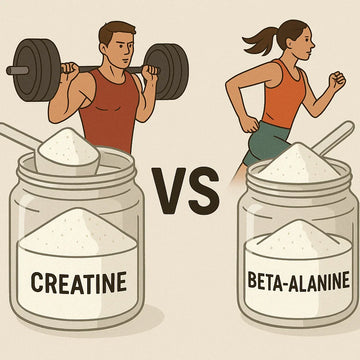
The primary role of Vitamin B1 is in energy metabolism. It acts as a cofactor for several enzymes. These enzymes are critical for breaking down carbohydrates. This process releases energy that your body uses for all activities. From intense workouts to simple daily tasks, thiamine is working behind the scenes. It helps support your body's normal energy production. Because of its role in energy metabolism, thiamine is considered an essential nutrient for normal body function. You may also enjoy our guide on Creatine vs Beta-Alanine.
Beyond Energy: Other Key Roles of Thiamine
While energy production is its main job, thiamine does more. It supports the healthy functioning of your brain and nervous system. Thiamine helps in synthesizing neurotransmitters. These are chemical messengers that allow your nerves to communicate effectively. It also plays a role in maintaining healthy heart function. A deficiency can impact these systems, highlighting its broad importance. Ensuring adequate intake supports overall health and resilience.
Fueling Your Performance with Nature's Bounty: Foods Rich in Vitamin B1
Nature offers a wealth of options to ensure you get enough Vitamin B1. Focusing on whole, unprocessed foods is key. These foods not only provide thiamine but also a spectrum of other beneficial nutrients. Incorporating a variety of these sources into your diet can significantly boost your energy levels. It can help support an active lifestyle. Let's explore some of the best natural sources available.
Whole Grains: The Foundation of Thiamine
Whole grains are excellent sources of thiamine. Think brown rice, oats, barley, and whole wheat bread. Unlike refined grains, the bran and germ are intact. These parts are rich in vitamins and minerals, including B1. Opting for whole grain versions of your favorite foods provides sustained energy release. They also contribute valuable fiber to your diet. Making whole grains a staple supports your body's energy needs effectively.
Legumes: Powerhouses of Plant-Based Nutrition
Beans, lentils, and peas are nutritional powerhouses. They are packed with protein, fiber, and, importantly, thiamine. Legumes are versatile ingredients that can be added to many meals. From hearty stews to fresh salads, they offer a significant B1 boost. Their plant-based protein also aids muscle repair and growth. For vegetarians and vegans, legumes are essential for obtaining adequate thiamine. They provide a solid nutritional base for an active lifestyle.
Nuts and Seeds: Small but Mighty Sources
Don't underestimate the nutritional punch of nuts and seeds. Sunflower seeds, flaxseeds, almonds, and peanuts are good sources of thiamine. They also provide healthy fats and protein. A small handful can be a convenient and energizing snack. They are easy to incorporate into your daily routine. Sprinkle them on yogurt, add them to salads, or enjoy them on their own. These small additions make a big difference in your nutrient intake.
Lean Meats and Fish: Essential Nutrients from Animal Sources
For those who consume animal products, lean meats and fish are excellent thiamine providers. Pork, chicken, turkey, and various fish like trout and salmon contain significant amounts of B1. These foods also offer high-quality protein, essential for muscle building and recovery. Choosing lean cuts ensures you get these benefits without excess fat. They are vital components of a balanced diet for physical performance.
Fortified Foods: A Modern Approach to Nutrient Intake
Many common food products are fortified with thiamine. Cereals, bread, and pasta often have added B1. This is a practical way to increase intake, especially for those with limited dietary variety. Always check the nutrition labels to confirm fortification levels. While natural sources are preferred, fortified foods offer a reliable supplement. They help bridge potential nutrient gaps in your daily diet.
Understanding Thiamine Sources: What the Research Says
Scientific research provides valuable insights into dietary thiamine. Understanding these findings helps you make informed choices about your nutrition. It confirms the importance of specific food groups and intake levels. This knowledge helps you make informed dietary choices to support your overall health and active lifestyle. Let's delve into what the research highlights regarding Vitamin B1 sources.
Observational Studies on Dietary B1 Intake
Observational studies often examine the diets of large populations. They link higher intakes of thiamine-rich foods to better health outcomes. These studies frequently show that individuals consuming whole grains, lean meats, and legumes have adequate B1 levels. Observational studies have found associations between balanced diets rich in whole foods and overall health outcomes. Such research reinforces the value of a balanced, whole-foods approach to nutrition.
Dietary Guidelines and Recommended Intake
Health organizations provide dietary guidelines for recommended daily intake (RDI) of thiamine. These recommendations vary slightly by age, sex, and life stage. They are based on extensive research to ensure adequate bodily function. For adults, the RDI is typically around 1.1 to 1.2 milligrams per day. Meeting these guidelines is essential for preventing deficiency and supporting overall health. Consult these guidelines to ensure your diet is on track.
Bioavailability Considerations from Natural Sources
The body's ability to absorb and use nutrients is called bioavailability. Thiamine from natural food sources is generally well-absorbed. Factors like cooking methods and the presence of other food components can influence this. For instance, some compounds in raw fish and tea can interfere with thiamine absorption. However, when consumed as part of a balanced meal, these effects are usually minimal. Your body is adept at utilizing thiamine from diverse natural foods.
Integrating Vitamin B1-Rich Foods into Your Active Lifestyle
Making sure you consume enough Vitamin B1 doesn't have to be complicated. Integrating thiamine-rich foods into your daily meals is straightforward. Planning your meals around these nutrient-dense options ensures consistent energy. It supports your fitness goals and overall well-being. Let's look at practical ways to incorporate these foods throughout your day.
Breakfast Ideas for a Thiamine Boost
Start your day strong with a thiamine-rich breakfast. Oatmeal made with whole oats is an excellent choice. Top it with nuts and seeds for an extra B1 kick. Whole-grain toast with peanut butter or avocado also works well. Consider scrambled eggs with a side of whole-wheat toast. These options provide sustained energy to power your morning activities. They set a positive tone for your entire day.
Lunch and Dinner Strategies for Sustained Energy
For lunch and dinner, focus on balanced meals. A salad topped with grilled chicken or fish and a sprinkle of sunflower seeds is ideal. Lentil soup or a bean chili offers plant-based protein and B1. Whole-grain pasta dishes with lean meat or vegetable sauces are also great. These meals provide the necessary fuel for afternoon productivity and evening workouts. They ensure your body remains energized.
Snack Options to Keep You Going
Snacking wisely can help maintain energy levels between meals. A small handful of almonds or walnuts is a perfect B1-rich snack. Roasted chickpeas offer a savory and satisfying option. Apple slices with almond butter provide a good mix of nutrients. These convenient snacks prevent energy dips. They keep you feeling focused and ready for your next activity. Choose snacks that align with your energy needs.
Common Questions About Natural Vitamin B1 Sources
As you explore natural Vitamin B1 sources, questions may arise. Understanding these common queries can help clarify your nutritional strategy. It ensures you're making the best choices for your body. Let's address some frequently asked questions about thiamine intake from food.
Can I get enough Vitamin B1 from diet alone?
Yes, it is entirely possible to get sufficient Vitamin B1 from diet alone. A varied diet rich in whole grains, legumes, nuts, seeds, lean meats, and fish usually provides adequate thiamine. For most individuals, focusing on these whole foods ensures they meet their daily requirements. However, specific dietary restrictions or absorption issues might necessitate careful planning or consultation.
What are the signs of not getting enough Vitamin B1?
Signs of insufficient Vitamin B1 intake can include fatigue, irritability, and loss of appetite. More severe deficiencies can lead to neurological issues, such as confusion and memory problems. Muscle weakness and cardiovascular problems can also occur. If you suspect a deficiency, it's important to consult a healthcare professional. They can assess your situation and recommend appropriate steps.
Are there any interactions with Vitamin B1 from food?
Generally, Vitamin B1 from food sources does not have significant negative interactions. However, certain substances can affect its absorption. For instance, tannins in tea and coffee, and thiaminase found in some raw fish, can inhibit thiamine. Consuming these beverages or foods in moderation, and not alongside primary B1 sources, minimizes potential interference. Cooking often deactivates thiaminase.
How does cooking affect Vitamin B1 content in foods?
Cooking methods can impact the Vitamin B1 content in foods. Thiamine is water-soluble and sensitive to heat. Boiling can lead to significant losses as the vitamin leaches into the cooking water. Steaming, baking, roasting, and stir-frying are generally better methods for preserving thiamine. Minimizing cooking time and water usage helps retain more of this essential nutrient. Choosing appropriate cooking techniques is beneficial.
Empower Your Health Journey with Knowledge
Understanding the importance of Vitamin B1 and its natural sources empowers you. It allows you to make informed dietary choices that support your active lifestyle. Vykee Nutrition believes that knowledge is a key component of empowerment. By focusing on nutrient-rich foods, you build a strong foundation for physical and mental performance. This proactive approach aligns with our mission to promote a balanced lifestyle.
Building a Balanced Diet for Optimal Performance
Creating a balanced diet is essential for anyone striving for peak performance. Prioritize whole, unprocessed foods that are naturally rich in vitamins like thiamine. Combine these with adequate protein, healthy fats, and complex carbohydrates. This synergy ensures your body has the fuel and building blocks it needs. It supports muscle recovery, sustained energy, and overall well-being. A balanced diet is your most powerful tool. Learn more about Magnesium & Iron for menstrual health.
Your Next Step: Exploring Vykee Nutrition's Support
At Vykee Nutrition, we are dedicated to supporting your health and fitness journey. While this guide focuses on natural food sources, we offer quality supplements designed to complement your diet. Ready to support your wellness journey? Explore our Vitamin B1 supplement and discover how it can complement a balanced diet and healthy lifestyle.
Key Takeaways
- Vitamin B1 (thiamine) helps convert food into energy.
- Whole grains, legumes, nuts, seeds, and lean meats are among the best natural sources.
- A balanced diet usually provides enough thiamine for most healthy adults.
- Supplements can help complement your nutritional routine when appropriate.
References
- National Institutes of Health Office of Dietary Supplements – Thiamin Fact Sheet
- Harvard T.H. Chan School of Public Health
- USDA FoodData Central
- National Library of Medicine (PubMed)
Medical Disclaimer
This article is intended for educational and informational purposes only and should not be considered medical advice. Always consult your physician or another qualified healthcare professional before making changes to your diet, supplement routine, or healthcare plan.